Understanding the importance of effective mosquito treatment options to ensure comfort and safety is crucial. Mosquitoes are not only a nuisance but also pose significant health risks as carriers of diseases like malaria, dengue, and Zika virus. Effective mosquito control is essential for both personal and public health safety, as it helps prevent the spread of these diseases.
This article will explore various mosquito treatment options, ranging from repellents and indoor protection to long-term solutions and natural treatments. By understanding and utilizing these options, individuals can significantly reduce their risk of mosquito bites and associated diseases.
1. What Are the Most Effective Mosquito Repellents?
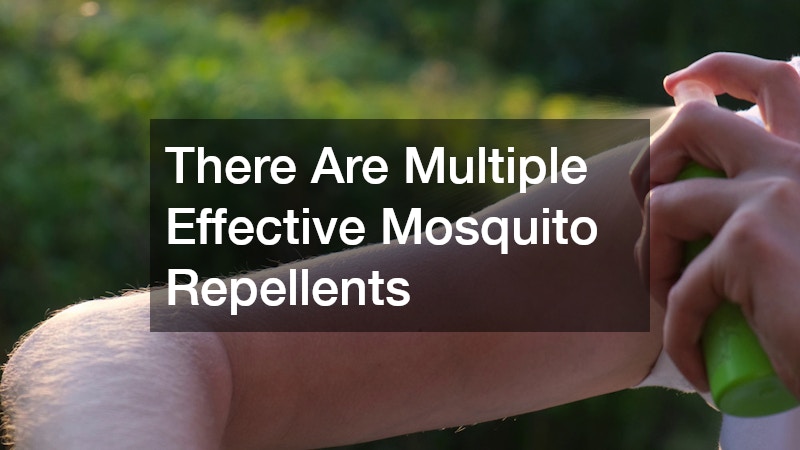
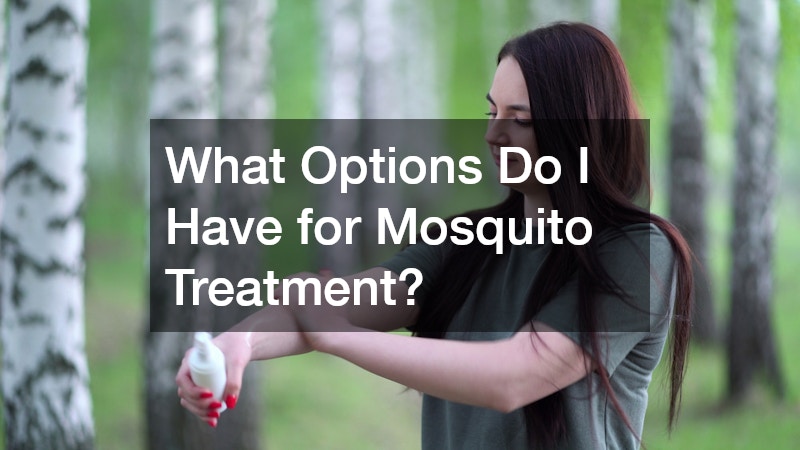
Mosquito repellents are an essential line of defense against mosquito bites. The most effective repellents often contain DEET, picaridin, or oil of lemon eucalyptus. DEET has been used for decades and is highly effective when used correctly, providing hours of protection. Picaridin is a newer alternative that is equally effective and is preferred by some due to its less pungent odor. Oil of lemon eucalyptus is a natural alternative approved by the Centers for Disease Control and Prevention (CDC) for its efficacy in repelling mosquitoes.
For those preferring natural products, plant-based repellents can be effective as well. Lemon eucalyptus oil is one such option, known to repel mosquitoes effectively. Citronella candles and essential oils such as tea tree or lavender can also offer mild protection. However, it is important to note that plant-based repellents often require more frequent application than chemical alternatives. Users should always follow the application instructions to ensure maximum effectiveness.
In addition to personal repellents, clothing can play a role in mosquito prevention. Wearing long sleeves and pants, especially in light colors, can deter mosquitoes. Some clothing is specially treated with permethrin, which provides additional protection. Remember, combining physical barriers with repellents enhances overall effectiveness. Therefore, educating oneself on different repellents and combining them with other preventive measures is crucial for optimal mosquito protection.
2. How Can Indoor Spaces Be Protected from Mosquitoes?
Protecting indoor spaces from mosquitoes involves a combination of physical and chemical measures. Ensure windows and doors are equipped with screens that are in good repair to prevent mosquitoes from entering. If possible, use air conditioning to keep rooms cool, as mosquitoes tend to avoid cooler environments. Ceiling and standing fans can also deter mosquitoes by disrupting their flight patterns with airflow. In regions where mosquitoes are prevalent, sleeping under a mosquito net can provide added protection.
Chemical options for indoor mosquito control include the use of insecticides and electric insect killers. Indoor sprays, containing pyrethroids, can be effective in killing mosquitoes on contact. However, these should be used with caution to avoid potential health risks, especially in households with children and pets. Electric insect killers, such as those using UV light to attract and zap mosquitoes, offer a chemical-free solution. Users should ensure these devices are placed wisely to maximize effectiveness and safety.
Natural and alternative methods can also help reduce the mosquito population indoors. Introducing plants like basil, mint, or lavender can repel mosquitoes due to their natural scents. Essential oil diffusers with citronella, eucalyptus, or peppermint can similarly deter mosquitoes. It’s vital to eliminate standing water around the home, as mosquitoes breed in stagnant water. Regularly emptying water from containers and keeping gutters clean will reduce potential breeding sites, significantly controlling mosquito ingress.
3. Are There Long-term Mosquito Control Solutions?
Establishing long-term mosquito control solutions involves community and personal efforts focused on reducing mosquito populations. Integrated mosquito management (IMM) is a comprehensive approach that includes surveillance, prevention, and control strategies. Surveillance involves monitoring mosquito populations to identify high-risk areas and times, enabling efficient intervention. Prevention strategies aim to reduce breeding sites by promoting community involvement in sanitation and water management. Public education campaigns emphasize the importance of regularly eliminating standing water and maintaining proper waste disposal.
Biological control methods, such as introducing natural predators, can also support long-term mosquito management. Fish like guppies and goldfish can be introduced to ponds and other water bodies to feed on mosquito larvae. In recent years, the use of mosquito-specific bacteria such as Bti (Bacillus thuringiensis israelensis) has gained popularity for controlling immature mosquitoes in their aquatic stages. These bacteria are environmentally friendly and target only mosquito larvae, minimizing harm to other wildlife. Such biological approaches integrate smoothly into broader mosquito management plans.
Moreover, genetic control methods are being explored as innovative mosquito management tools. Techniques such as releasing sterile male mosquitoes to mate with females can effectively reduce mosquito populations over time. In some cases, gene modification techniques are applied to mosquitoes to reduce their ability to reproduce or to suppress disease transmission capabilities. Although promising, genetic control approaches require careful monitoring to assess their ecological impacts. Collaborative efforts in community-based strategies greatly enhance the sustainability of long-term mosquito control.
4. Can Mosquito-borne Diseases Be Prevented with Treatments?
Mosquito-borne diseases pose significant health risks, and prevention is key to reducing their transmission. Vaccination is a powerful tool in preventing specific mosquito-borne diseases. For instance, the World Health Organization (WHO) and other health bodies have developed vaccines for dengue and yellow fever, showing promising results in reducing disease incidence. In the absence of vaccines for all mosquito-borne diseases, preventive medication is recommended for travelers to high-risk areas. Consultation with healthcare providers is essential to receive appropriate guidance for immunizations and preventive treatments based on destination and personal health conditions.
In addition to vaccination, public health strategies focus on controlling mosquito populations to prevent disease spread. This involves extensive surveillance to identify and manage outbreak zones quickly. It is crucial for individuals to protect themselves consistently using repellents, wearing protective clothing, and practicing good sanitation. These measures reduce the frequency of mosquito bites and potential disease transmission. Communities are encouraged to support initiatives aimed at reducing mosquito habitats and increasing awareness about mosquito-borne diseases.
Research continues to advance potential mosquito-borne disease treatments and prevention techniques. Antiviral drugs and mosquito vector inhibitors are undergoing tests for their efficacy in managing dengue, Zika, and chikungunya virus infections. Public health campaigns also play a vital role in educating people about symptoms and encouraging early medical intervention. Understanding the transmission dynamics of mosquito-borne diseases can help create more effective prevention and treatment protocols, ultimately minimizing the health burden associated with these diseases.
5. What Are Some Natural or Alternative Mosquito Treatments?
There is increasing interest in natural or alternative mosquito treatments as people seek to avoid chemical exposure. Essential oils like citronella, lemongrass, and eucalyptus are popular for their mosquito-repelling properties. When used in diffusers or topical mixtures, these oils can provide some relief from mosquito bites. Additionally, herbal body oils scented with neem or coconut can offer a natural solution for mosquito prevention. However, it is worth noting that the effectiveness of natural treatments may vary, and more frequent application might be required.
Physical mosquito deterrents are another alternative method for reducing mosquito interactions. Mosquito nets, particularly those treated with insecticides, are highly effective in preventing bites, particularly in regions where mosquito-borne diseases are prevalent. Investing in mesh screens for windows and doors can provide a solid barrier against mosquito entry. Ensuring the screens are tightly woven and maintained regularly will maximize their effectiveness. Combined with judicious indoor plant placement, users can create an inadvertently mosquito-repellent atmosphere.
Community practices also embrace alternative approaches, including the use of indigenous or traditional knowledge. Employing methods such as smoke from burning certain local plants or using cow dung fires can deter mosquitoes effectively. These traditional practices are often supplemented with modern understandings of hygiene and sanitation to enhance their effectiveness. Support for community-led initiatives combined with scientific research can lead to the discovery of innovative mosquito control solutions that align with environmental consciousness and sustainable practices.
In conclusion, there are various mosquito treatment options available, each with its own advantages and considerations. Chemical repellents, indoor protective measures, long-term control solutions, and natural treatments provide a broad toolkit for managing mosquito populations and reducing the risk of mosquito-borne diseases. It is vital to select options that best suit individual preferences, lifestyle, and the specific mosquito threats in one’s area. Combining multiple strategies typically yields the best results, as different methods can complement each other to provide comprehensive protection. Ultimately, understanding the dynamics of mosquito treatment options empowers individuals and communities to take proactive steps towards effective mosquito control and enhanced public health safety.