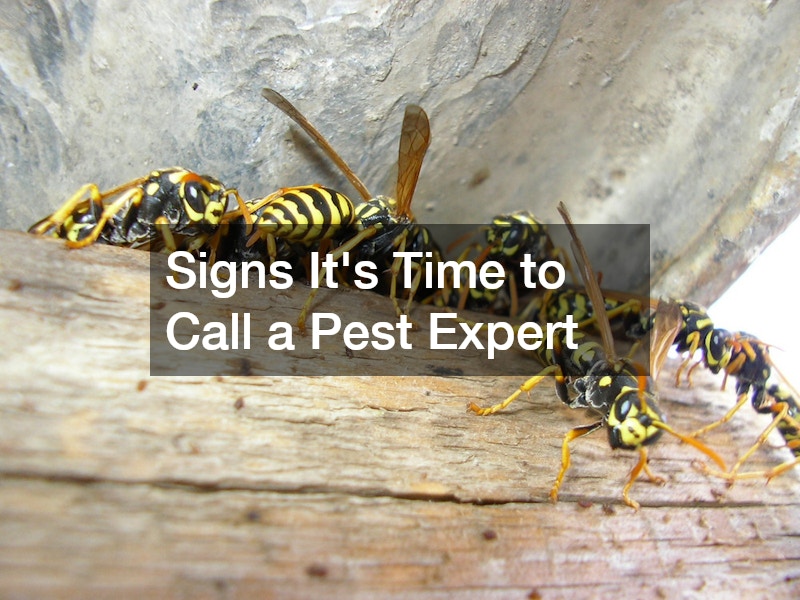
Most pest problems do not begin with a dramatic discovery. They often start with a faint scratching sound, a few unexplained droppings, a damaged food package, or an unusual insect near a window. Because these signs can seem minor, homeowners may wait to see whether the issue disappears on its own. Unfortunately, many pests reproduce quickly, build nests in hidden areas, and cause damage long before they become easy to spot.
Waiting can also make treatment more difficult. A small colony or limited nesting area may be manageable when discovered early, while an established infestation may spread through walls, cabinets, insulation, or multiple rooms. Some pests can contaminate food, damage wiring, weaken wood, or introduce allergens into the home. Others may become defensive when their nests are disturbed.
Knowing what to watch for helps homeowners respond before the situation becomes expensive, disruptive, or unsafe. The following warning signs can help determine when routine cleaning and monitoring are no longer enough and professional assistance is the most practical next step.
Know the Early Warning Signs Inside Your Home

Pests often leave evidence even when they remain out of sight. Droppings are among the most common warning signs. Their size, shape, and location can provide clues about what type of pest is present. Small dark pellets in cabinets may indicate mice, while pepper-like specks near appliances can suggest insects. Droppings should be handled carefully because they may contain bacteria, allergens, or other contaminants.
Unusual odors can also indicate hidden activity. A musty smell may come from nesting materials or moisture near an infestation. Strong, oily, or stale odors may become noticeable when insects gather in large numbers. Dead pests inside wall voids can create another type of persistent smell that cleaning products will not resolve.
Homeowners should also inspect food storage areas for torn packages, crumbs, gnaw marks, or small holes. Damaged wiring, shredded insulation, paper fragments, and chewed wood can point to nesting activity. Scratching or scurrying sounds in walls and ceilings are especially concerning when they occur at night.
Professional pest control is often appropriate when several warning signs appear together, when the evidence returns after cleaning, or when the source cannot be located. An inspection can identify entry points, nesting areas, and conditions that allow the problem to continue.
Pay Attention to Activity Around Your Property
Outdoor activity can provide an early warning before pests enter the living space. Burrows near foundations, disturbed soil, overturned trash cans, damaged gardens, or tracks around sheds may indicate animals are using the property for food or shelter. Repeated sightings during daylight can be especially important because some normally cautious animals become more visible when their populations grow or food becomes scarce.
Homeowners should inspect rooflines, vents, decks, crawl spaces, and gaps beneath structures. Loose siding, broken screens, damaged soffits, and open chimney caps can provide access to attics and wall cavities. Once animals enter, they may damage insulation, ductwork, wiring, and stored belongings. Wildlife removal may be necessary when an animal has established a den, nest, or regular entry route.
Frequent flying insect activity around eaves, trees, sheds, or wall openings also deserves attention. A few insects visiting flowers is normal, but steady traffic into one opening may indicate a nest. Buzzing inside a wall or ceiling can suggest the colony is located within the structure. Professional bee control is safer than spraying or sealing an active entry point, which may trap insects inside and cause them to move farther into the home.
Homeowners should observe activity from a safe distance, note where animals or insects enter, and avoid blocking the opening until a professional determines whether young animals or an active colony are present.
Recognize When Insects Are Reproducing Indoors
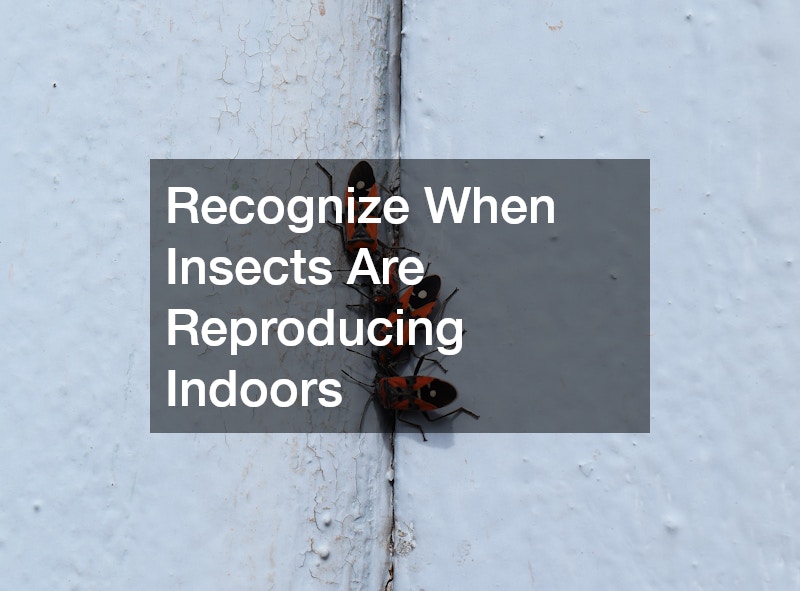
Seeing one insect does not always mean there is a major infestation, but repeated sightings often indicate breeding activity. Homeowners should watch for insects of different sizes, because the presence of both adults and young pests suggests an established population. Egg cases, shed skins, larvae, and clusters of insects in hidden spaces are also signs that the issue is growing.
In sleeping areas, small reddish stains on sheets, dark spotting along mattress seams, shed skins, or itchy bites may point to a problem that requires bed bug extermination. These insects can hide in bed frames, baseboards, furniture joints, electrical outlets, and luggage. Washing bedding may remove some insects, but it rarely reaches every hiding place. Moving furniture between rooms can spread the infestation.
Kitchens and bathrooms provide warmth, water, and food, making them attractive to other insects. Activity beneath sinks, behind refrigerators, inside cabinets, or near drains should not be ignored. A persistent musty odor, capsule-shaped egg cases, or nighttime movement may be a reason to contact a cockroach exterminator. Cockroaches can hide in narrow cracks and may travel between rooms through plumbing and wall voids.
Repeated use of store-bought sprays can scatter insects without eliminating their nesting areas. Professional treatment focuses on identifying the species, locating breeding zones, reducing food and moisture sources, and applying the appropriate method where it will have the greatest effect.
Don’t Ignore Structural Damage Around Your Home
Some pests cause damage slowly and quietly, making regular inspections especially important. Wood that sounds hollow when tapped, blistered paint, sagging floors, or trim that crumbles easily may indicate activity below the surface. Homeowners may also notice thin mud tubes along foundation walls, support beams, crawl spaces, or basement surfaces.
Discarded wings near windows, doors, or light sources can be another warning sign. Winged insects may emerge when a mature colony is expanding. Although a few wings may be easy to sweep away, their presence indoors should prompt a closer inspection. Damage may extend beyond the visible area because colonies can travel through soil, wall cavities, and hidden wooden components.
Moisture makes many structures more vulnerable. Leaking pipes, poor drainage, damp crawl spaces, clogged gutters, and wood-to-soil contact can create favorable conditions. Repairs that reduce moisture are important, but they may not remove an existing colony.
Professional termite control may be needed when mud tubes, damaged wood, swarmers, or recurring activity are found. A trained inspector can determine where activity is occurring, how extensive it may be, and which treatment method fits the structure. Acting quickly can help limit damage to framing, flooring, trim, and other wooden materials. Homeowners should avoid breaking open large areas of wood before an inspection because disturbing the site can make activity more difficult to trace.
Listen for Signs of Hidden Animals in Walls and Attics
Noises in walls, ceilings, or attics often provide the first indication that animals have entered a home. Scratching, squeaking, gnawing, or rapid movement at night may suggest mice or rats. Heavier thumping sounds can point to larger animals. Activity near dawn or dusk may indicate bats or other animals returning to or leaving a roost. At this point, homeowners should investigate in order to determine whether they need rodent removal or bat removal, depending on the source of the noise.
Homeowners should inspect accessible areas for droppings, shredded paper, damaged insulation, nesting materials, gnaw marks, and oily rub marks along walls. Rodents may chew electrical wires, plastic pipes, stored boxes, and building materials. Because their teeth continue growing, they gnaw frequently, creating a potential fire or water-damage risk. Rodent control is usually needed when evidence appears in multiple areas, traps are repeatedly triggered, or entry points cannot be found.
Bats may leave small droppings beneath roof openings, vents, shutters, or attic roosts. Homeowners may also hear light rustling overhead or notice animals leaving the roofline around sunset. Bat removal requires careful timing because some species form maternity colonies, and young bats may be unable to fly during certain seasons. Sealing an opening too early can trap animals inside.
Direct contact should be avoided. Rodents and bats can carry pathogens, and accumulated waste may create respiratory concerns. A professional can identify the animal, locate entry points, remove or exclude it appropriately, and recommend cleanup or repairs. The goal should be to solve the immediate problem without leaving animals trapped in walls or creating another route into the living space.
Understand Why DIY Treatments Sometimes Fail
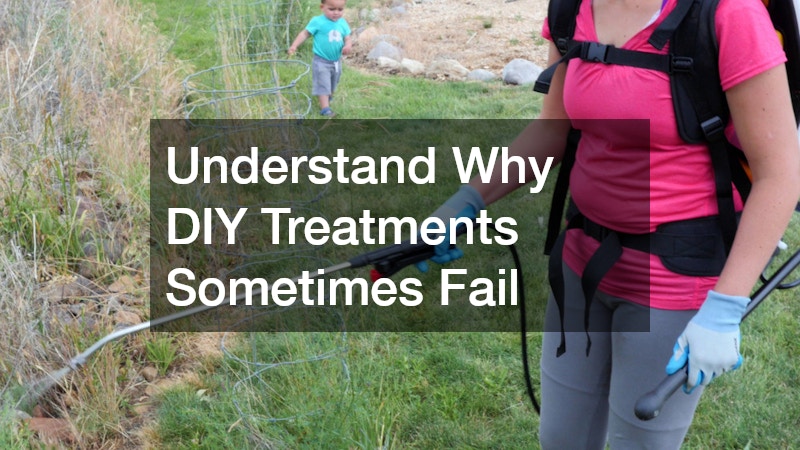
Many homeowners begin with traps, sprays, powders, repellents, or home remedies. These products may reduce visible activity, but they do not always address the source. Pests commonly nest behind walls, beneath floors, inside cabinets, under appliances, or in outdoor areas that are difficult to access. Treating only the visible pests can create the impression that the problem is solved while eggs, nests, or additional animals remain.
Incorrect identification is another common issue. Different species may require different treatment methods. A product that works for one insect may have little effect on another. Using too much pesticide can create unnecessary exposure risks, while placing traps in the wrong locations may allow pests to avoid them. Repellents can sometimes push pests into another room rather than remove them from the home.
A qualified pest control company should begin with an inspection rather than applying the same treatment to every situation. The technician should explain what was found, where activity is concentrated, which conditions are contributing to the problem, and what steps are recommended.
Before scheduling service, homeowners can ask whether the provider is licensed, insured, and experienced with the suspected pest. They should also ask how treatment will be applied, whether preparation is required, how long results may take, and whether follow-up visits are included. Clear answers help homeowners understand the process and avoid unrealistic expectations about immediate results.
Prepare Your Home Before Professional Treatment
Proper preparation can make an inspection and treatment more effective. Homeowners should begin by writing down where and when activity has been observed. Photos of droppings, damage, insects, entry points, or tracks may help the technician identify patterns. It is also helpful to mention recent travel, construction, leaks, deliveries, used furniture purchases, or changes in nearby landscaping.
Clutter should be reduced in the affected area so baseboards, cabinets, corners, and wall edges are accessible. Food should be sealed in sturdy containers, and open packages should be discarded if they show signs of contamination. Dishes, pet bowls, toys, and personal items may need to be removed or covered, depending on the treatment.
Homeowners should follow the provider’s instructions carefully. Some services require vacuuming, laundering fabrics, moving furniture, emptying cabinets, or keeping people and pets away from the property for a specified period. Other treatments require minimal preparation. Doing unnecessary work can spread pests, while failing to complete required steps can limit results.
During the inspection, homeowners should point out all areas of concern rather than focusing only on the most visible room. After treatment, they should ask what activity is normal, what warning signs should be reported, and when follow-up will occur. Some pests may remain visible briefly as they move through treated areas, so understanding the expected timeline can prevent confusion.
Build Habits That Help Prevent Future Pest Problems
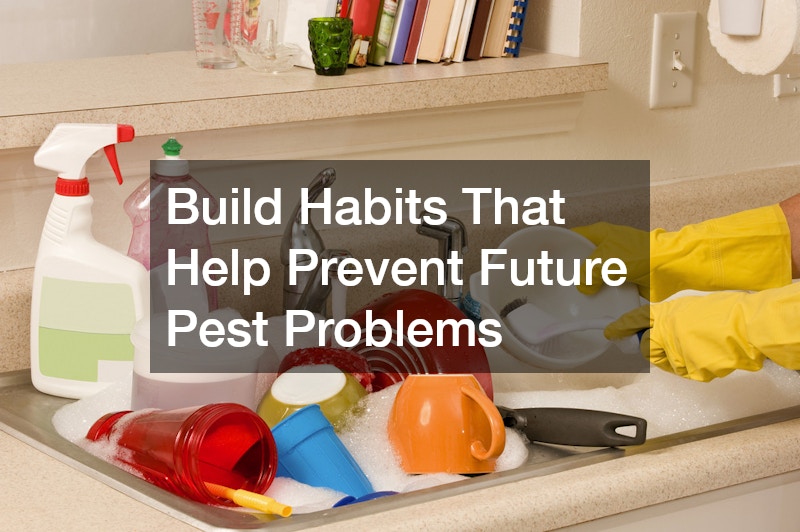
Prevention begins with limiting access to food, water, and shelter. Homeowners should store pantry items in sealed containers, wipe up spills promptly, remove trash regularly, and avoid leaving pet food out overnight. Crumbs beneath appliances and grease around cooking areas can support insects even when the rest of the kitchen appears clean.
Moisture control is equally important. Leaky faucets, sweating pipes, clogged gutters, damaged roof sections, and poor drainage can attract pests. Crawl spaces, basements, bathrooms, and laundry rooms should be checked regularly for dampness or condensation. Repairing leaks and improving ventilation can make the property less inviting.
Entry points should be inspected seasonally. Gaps around pipes, doors, windows, utility lines, roof vents, foundations, and siding can be sealed with materials suited to the location. Screens should fit securely, weatherstripping should remain intact, and tree branches should be trimmed away from the roof. Firewood, yard debris, and stored materials should be kept away from exterior walls.
Regular monitoring helps homeowners catch recurring activity early. Checking traps, inspecting storage areas, and watching for new damage can reveal whether pests have returned. Seasonal inspections may be useful for properties with previous infestations, older construction, wooded surroundings, or frequent moisture problems. Consistent maintenance does not guarantee that pests will never appear, but it reduces the conditions that allow them to settle in and multiply.
Early Action Helps Keep Small Problems Manageable
Pest activity is easier to address when warning signs are recognized early. Droppings, scratching sounds, damaged materials, unusual odors, repeated insect sightings, and outdoor nesting activity should not be dismissed when they continue or appear in several areas. These clues often indicate that pests are living closer to the home than they first appear.
Homeowners can reduce risk by inspecting the property regularly, correcting moisture issues, sealing openings, storing food securely, and avoiding actions that may scatter or trap pests. When the source is hidden, the damage is increasing, or repeated home treatments are not working, an inspection can provide a clearer path forward.
Prompt action protects more than comfort. It can help prevent contaminated food, damaged insulation, weakened wood, chewed wiring, and avoidable repairs. Paying attention to small changes around the property allows homeowners to respond before an infestation becomes more disruptive. A careful, informed approach can make the home safer, cleaner, and easier to maintain throughout the year.