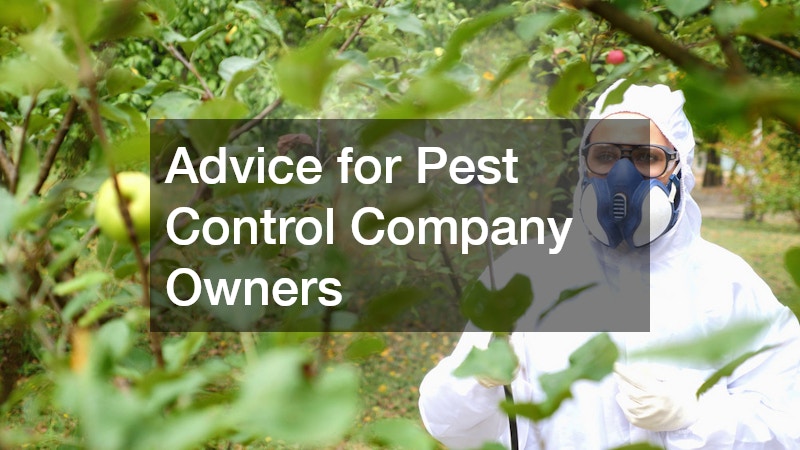
Pest control company owners face a dynamic industry with challenges and opportunities, balancing regulatory compliance, customer expectations, and operational efficiency. Urbanization and climate change influence pest behaviors, presenting significant growth potential. This article offers insights into starting, managing, and growing a pest control business.
1. How to Start a Pest Control Business?
1.1. Market Research
Conduct thorough market research to tailor services to local demands by understanding pest types and competitors. Gauge customer demographics to set realistic pricing. This informed perspective lays the foundation for success.
1.2. Licensing and Regulations
Compliance with licensing and regulations is essential. State-specific mandates require correct certifications for legality and credibility. Regular updates prevent compliance issues, ensuring uninterrupted operations.
1.3. Budgeting and Financial Planning
Effective budgeting is key to establishing your business, considering operational, marketing, and emergency needs. Account for seasonal variations in demand. Financial strategies support growth and sustainability.
1.4. Equipment and Supplies
Quality equipment ensures service efficiency and safety. Reliable supplier relationships maintain a steady flow of materials. Periodically evaluate equipment and contracts to uphold standards.
1.5. Business Plan Development
A comprehensive business plan includes market analysis, strategies, and growth opportunities. Regular updates align with industry trends, guiding decision-making and attracting investors.
2. What Are Effective Marketing Strategies?
2.1. Building an Online Presence
An online presence is vital. A professional website and SEO enhance visibility. Social media engages customers with tips and promotions, building brand recognition.
2.2. Networking in the Local Community
Engage actively with the community to expand and diversify your client base. Forming alliances with related businesses and sponsoring local events not only improves brand awareness but also helps establish a stronger sense of trust and credibility within the local market.
2.3. Leveraging Customer Reviews
Customer reviews significantly influence purchasing decisions. It is crucial to actively encourage online reviews from satisfied customers, promptly respond to any feedback provided, and effectively showcase positive testimonials to attract a continuous stream of new clients.
2.4. Offering Promotions and Discounts
Promotions not only attract new customers but also encourage long-term loyalty among the existing clientele. It is crucial to align these offers with peak pest periods to maximize their impact. Furthermore, continually track the effectiveness of such promotions to refine and enhance marketing strategies over time for better results.
3. How to Manage Technicians Effectively?
3.1. Hiring Qualified Technicians
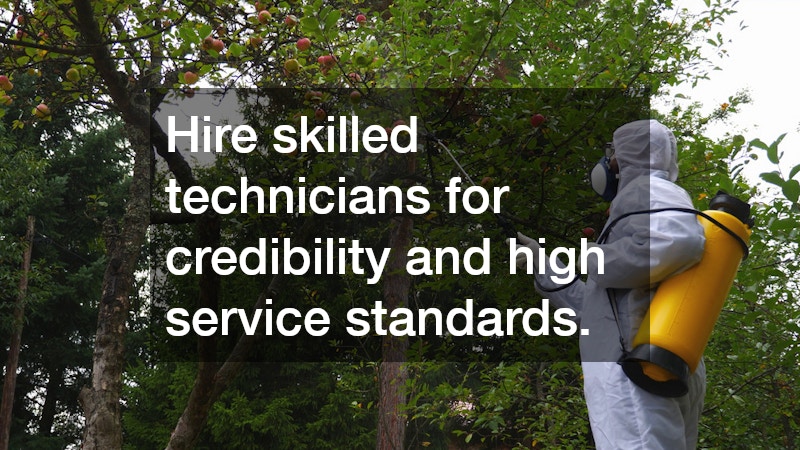
Hire skilled technicians for credibility and high service standards. Offer attractive compensation and growth opportunities to maintain a strong workforce.
3.2. Ongoing Training and Development
Regular training keeps technicians updated on technologies and protocols, ensuring compliance and service excellence. Invest in workforce growth for a competent team.
3.3. Implementing Efficient Scheduling
Efficient scheduling optimizes service delivery. Use digital systems to manage appointments and prioritize urgent issues, enhancing operational efficiency.
3.4. Performance Monitoring and Feedback
Monitor performance and provide feedback to maintain high standards. Metrics and regular dialogues encourage transparency and growth.
4. What Are the Most Common Pest Problems?
4.1. Rodents
Rodents require identifying entry points and eradicating them to prevent disease. Use trapping and exclusion techniques, with regular inspections for long-term protection.
4.2. Termites
Termites threaten structures. Early detection and barrier treatments combat infestations. Educate clients on warning signs to minimize risks.
4.3. Ants
Ant infestations, though underestimated, cause disruptions. Understand their behavior for targeted treatments, using baits and barriers.
4.4. Bed Bugs
Bed bugs are resilient pests. Use comprehensive chemical and heat treatments. Educate clients on prevention and maintain vigilance for successful management.
4.5. Cockroaches
Cockroaches are persistent. Implement sanitation, exclusion, and chemical controls. Educate clients on reducing occurrences with proper practices.
5. How to Ensure Customer Satisfaction?
5.1. Clear Communication and Education
Inform and educate clients about service processes to build trust. Transparency fortifies relationships and empowers clients to maintain pest-free environments.
5.2. Timely and Reliable Service
Provide prompt, reliable services with trained technicians for client satisfaction. Regular evaluations optimize protocols, enhancing reputation and loyalty.
5.3. Regular Follow-ups
Follow-ups assess treatment effectiveness and reaffirm commitment to service excellence. Schedule appropriately to maintain pest management effectiveness.
5.4. Handling Complaints Effectively
Effectively handle complaints to preserve customer relations. Listen actively and provide genuine solutions, promoting trust and improvement.
Owning a pest control company offers challenges and opportunities. Strategic planning ensures a robust business, while customer satisfaction through communication, service reliability, and complaint handling leads to success. Adaptive marketing and operations align with industry advancements for sustainable growth.